
Reading in Chinese? See our 马来西亚猫砂推荐 2026 guide.
Tofu Cat Litter Malaysia: Pros, Cons, and How to Choose
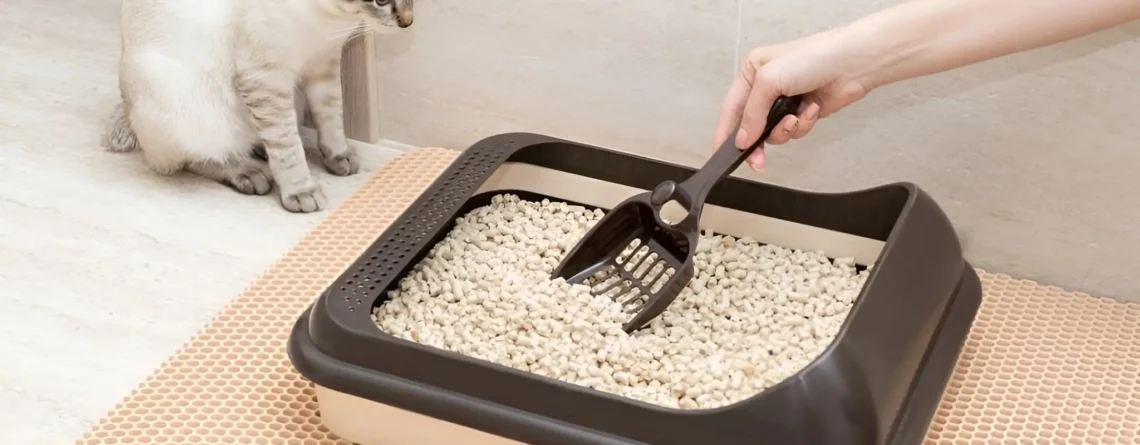
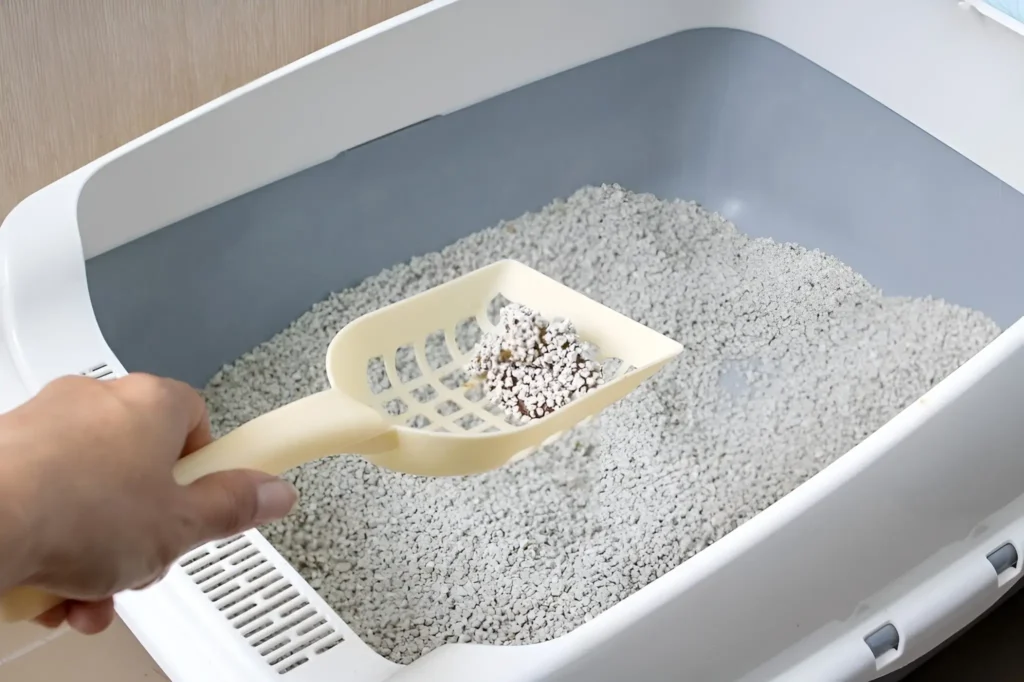
Tofu cat litter is a plant-based litter made from soybean by-products, and it is popular because it is usually low dust, clumps well for easy scooping, and can track less when you choose the right pellet size.
New to litter and not sure which type suits your home? See our full guide to the best cat litter in Malaysia, comparing tofu against clay, pine, cassava and coffee litter.
If you are comparing tofu litter vs clay (bentonite) or wood pellets in Malaysia, the best choice depends on what you care about most: dust, smell, tracking, clump strength, cost per month, and whether your cat accepts the texture. This guide breaks it down in a simple, practical way.
What is tofu cat litter
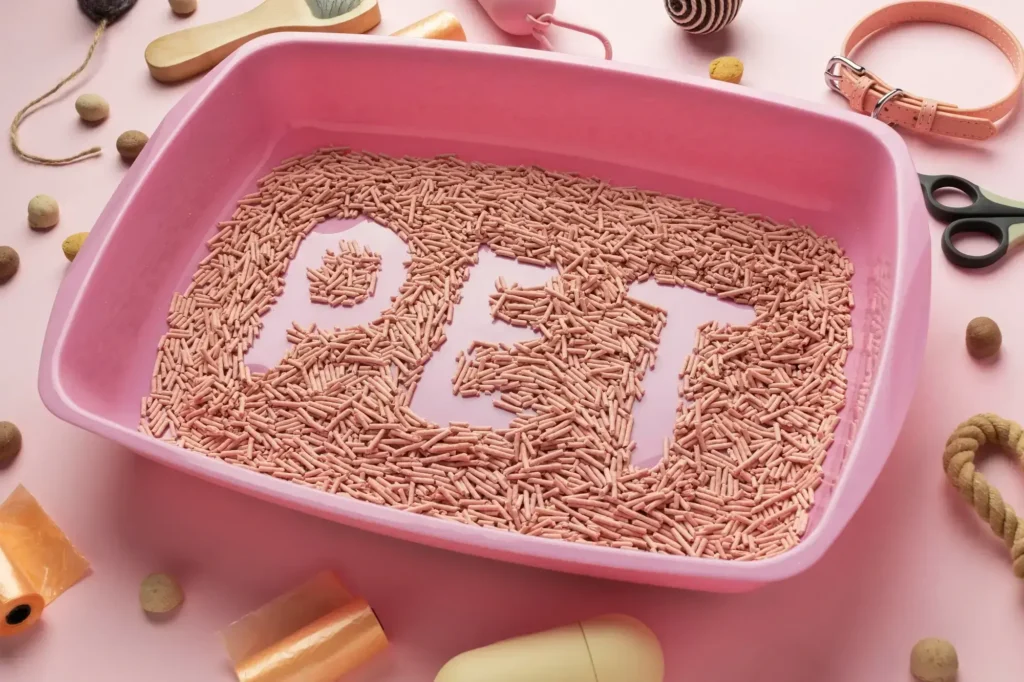
Most tofu cat litter is made from plant fibres linked to soybean processing, formed into pellets or granules that absorb liquid and form scoopable clumps. Many owners like it because it feels cleaner to maintain than some non-clumping “eco” litters, while still being lighter than heavy clay.
Because it is plant-based, tofu litter is often positioned as a more “natural litter” alternative compared to traditional clay litters, which is one reason it is popular with owners who want a biodegradable option.
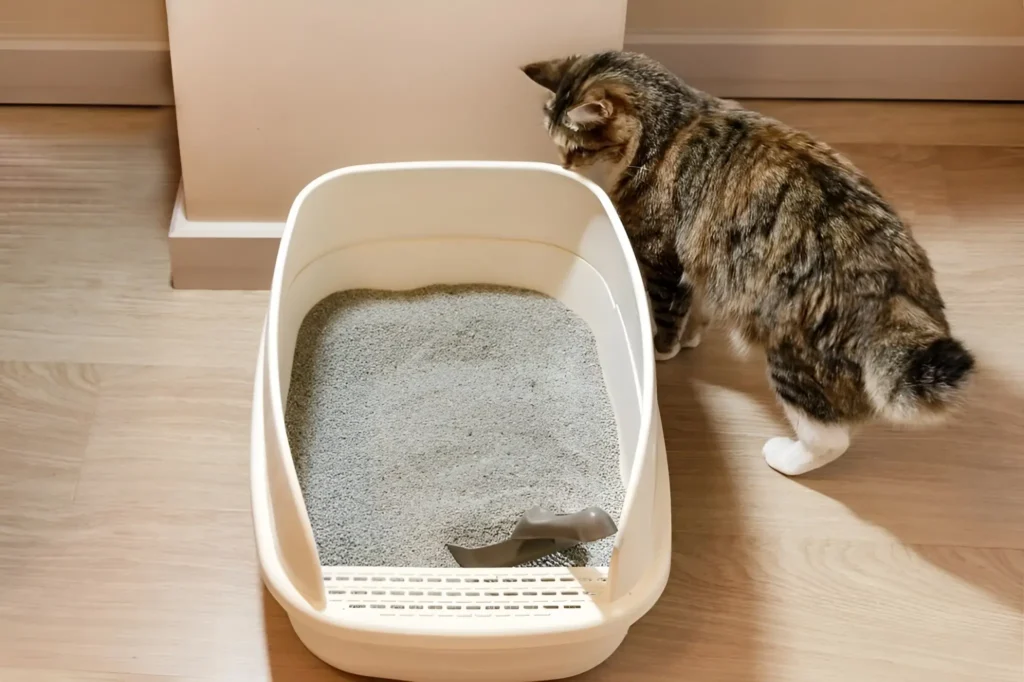
Why tofu litter is popular in Malaysian homes
Because it is plant-based, tofu litter is often positioned as a more “natural litter” alternative compared to traditional clay litters, which is one reason it is popular with owners who want a biodegradable option.
Go to a vet sooner if you see:
- Lower dust around the litter box (especially for sensitive cats and humans)
- Cleaner scooping because clumps are meant to hold together
- Less tracking compared to fine-grain clay, depending on pellet size
Pros of tofu cat litter
1) Low dust (big reason people switch)
Many tofu litters are described as among the least dusty options, especially compared to clay.
If your cat has asthma or breathing sensitivity, VCA notes that avoiding triggers can include using low-dust cat litter.
2) Easy daily scooping because it clumps
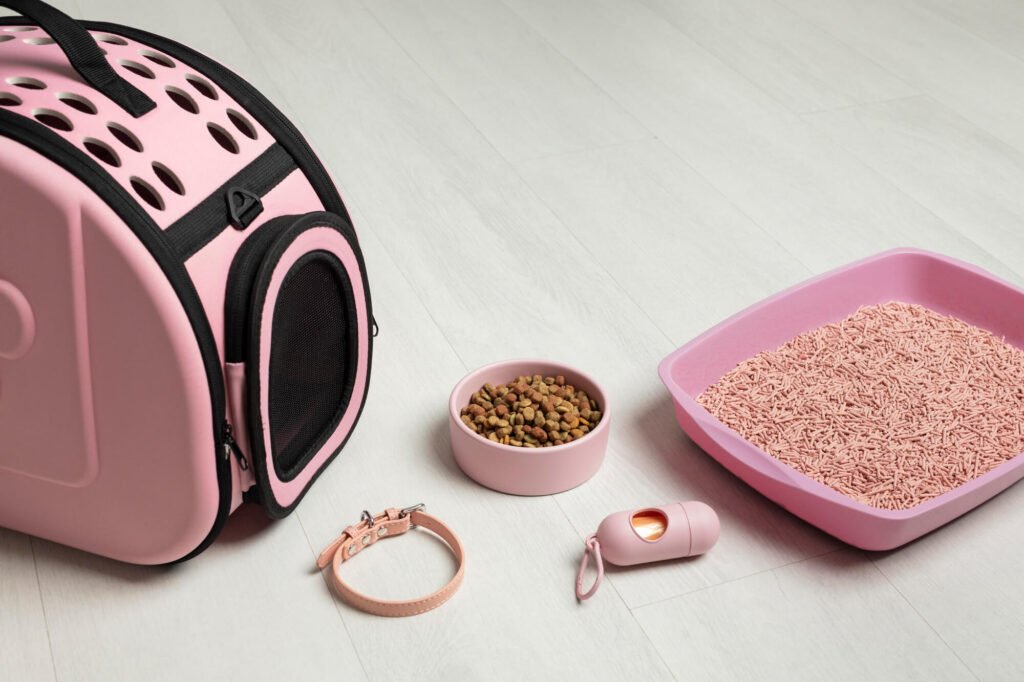
When a litter clumps well, you can remove urine clumps and keep the box fresh without fully changing the tray too often. This is usually where tofu litter feels “cleaner” than many pellet litters that do not clump.
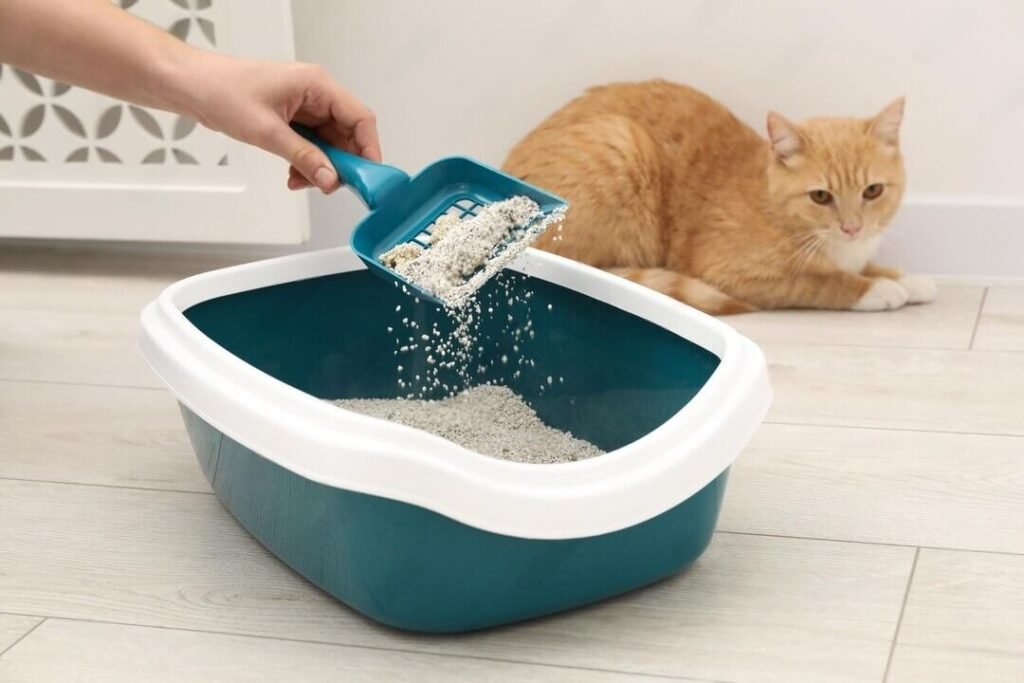
3) Tracking can be lower with the right pellet size
Tofu pellets are often larger than typical clay grains, so they may stick less to paws and fur, which can reduce tracking around the house.
If tracking is your main problem, pellet size matters more than brand. A litter mat still helps.
4) Plant-based option for owners who want a natural material
VCA describes natural cat litters as being made from renewable or recycled materials, often lightweight and low dust, though sometimes more expensive than clay.
Tofu litter fits that “natural litter” preference for many owners.
Cons and what to watch out for
1) “Flushable” claims: generally not recommended
Even if packaging says flushable, many reputable sources advise against flushing cat waste due to environmental and parasite concerns.
- CDC advises litter box hygiene and specifically says to change the litter box daily.
- CAPC notes Toxoplasma oocysts need at least 24 hours to become infective, and recommends removing faecal material daily.
- Cornell’s Feline Health Center also explains oocysts take at least 24 hours to become infective and that frequent removal reduces risk.
Practical takeaway: for most Malaysian homes, scoop daily and dispose in a bag in household rubbish. It avoids plumbing issues and reduces environmental risk.
2) Humidity and storage matter
Some guides note tofu litter can develop mould if it is kept damp or stored poorly, which can be more relevant in humid climates.
Keep bags sealed, store them dry, and avoid leaving opened bags in damp areas.
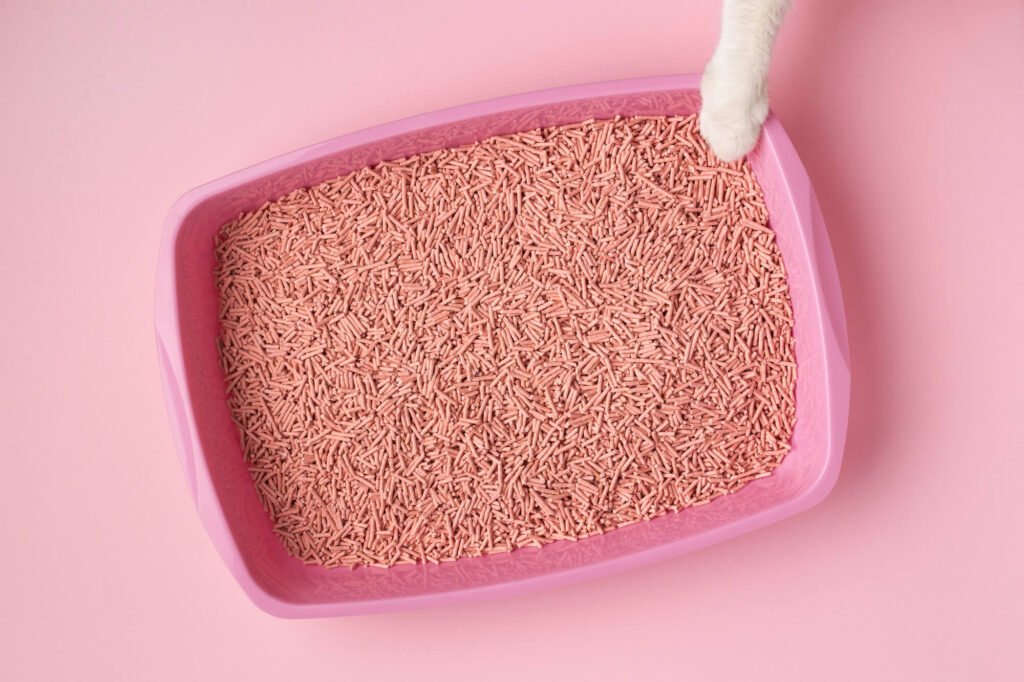
3) Cost can be higher than basic clay
Tofu litter often costs more upfront than budget clay. Monthly cost depends on how strong the clumps are, how many cats you have, and how frequently you top up.
4) Some cats need time to accept the texture
Cats can be picky about litter texture. It is common advice to introduce new litter gradually so cats do not avoid the box.
How to choose tofu cat litter in Malaysia
Start by choosing based on your main pain point. This keeps your decision simple and avoids trial-and-error buying.
If your main issue is dust
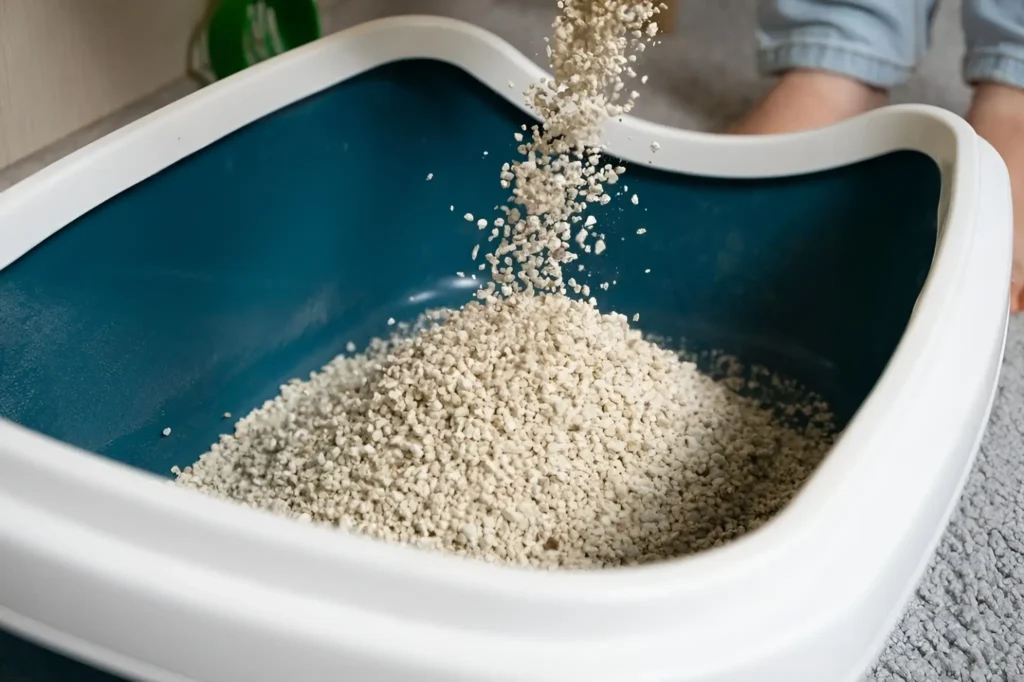
Prioritise low-dust, fragrance-free formulas. VCA notes low-dust litter can be part of trigger avoidance for cats with asthma.
If your main issue is smell
Odour control depends on formula and routine. Even great litter will struggle if the box is not scooped daily. Choose a tofu litter that forms firm clumps, then commit to a consistent scoop schedule.
If your main issue is tracking
Even if packaging says flushable, many reputable sources advise against flushing cat waste due to environmental and parasite concerns.
Pellet size and litter mat setup matter most.
- Smaller granules can feel closer to clay, some cats accept them faster
- Larger pellets can track less, but some cats need a transition period
If you have multiple cats
Clump firmness matters a lot because broken clumps leave wet residue behind, which increases odour and forces more frequent changes. For multi-cat homes, daily scooping becomes the biggest “odour control” lever.
Switching to tofu litter without litter box drama
A gradual switch is usually safest, especially if your cat has used clay litter for a long time.
Try this simple plan:
- Days 1 to 3: 75% current litter, 25% tofu
- Days 4 to 6: 50% current, 50% tofu
- Days 7 to 10: 25% current, 75% tofu
- Then move to 100% tofu if your cat is using the box normally
If your cat refuses the box, slow down and keep the box extra clean during the transition.
Tofu vs clay vs wood pellets: which is better
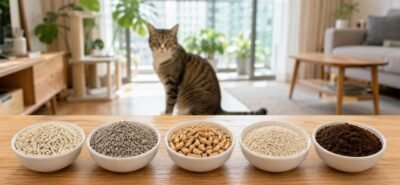
Most owners compare tofu to clumping clay (bentonite) and wood pellets.
- Clay litter: strong clumping and widely available, but can be dusty and heavy.
- Wood pellets: often low dust and eco-friendly, but many are non-clumping and need a different routine.
- Tofu litter: clumping like clay, plant-based like many natural litters, and often low dust with lower tracking depending on pellet size.
While you’re refreshing your cat’s setup, see our cat food brand comparison for the right food to pair with your new litter.
FAQ
Is tofu cat litter good for cats with asthma?
Low-dust litter is commonly recommended as part of avoiding triggers in cats with asthma, and VCA mentions low-dust litter as one possible measure.
Can I flush tofu cat litter?
Most expert guidance still recommends not flushing cat waste or litter due to environmental and parasite concerns. CDC and veterinary sources emphasise daily litter box cleaning, and CAPC and Cornell note oocysts need at least 24 hours to become infective, which is why daily removal is advised.
Why does tofu litter sometimes smell more in hot weather?
Heat and humidity can make odour build up faster, especially if clumps break apart and leave wet residue. Strong clumps plus consistent daily scooping usually matter more than switching litter types alone.
How often should I scoop if I use tofu litter?
Daily scooping helps with odour and hygiene. CDC advises changing the litter box daily, and CAPC recommends removing faecal material daily.






LEAVE A COMMENT