
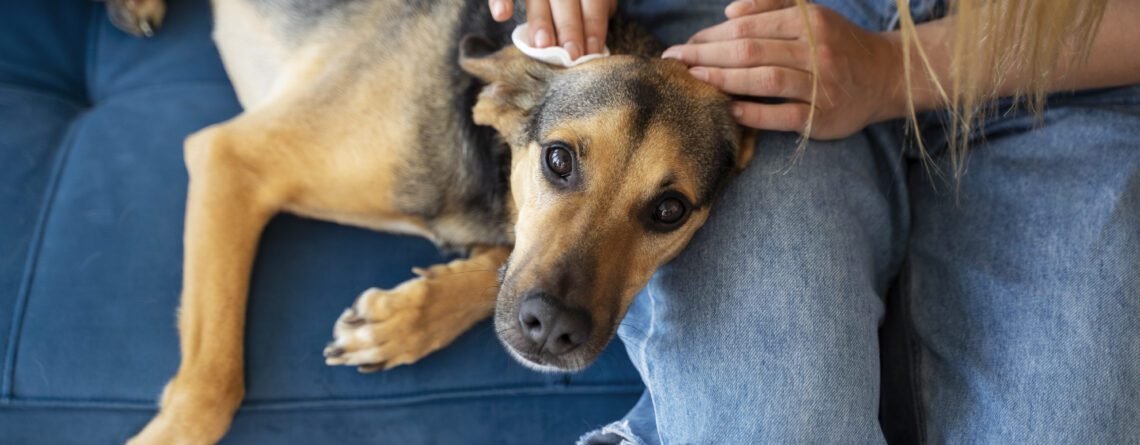
Why Is My Pet So Itchy? Common Causes in Dogs & Cats in Malaysia + A Simple Home Routine
If your dog or cat keeps scratching, it usually comes from parasites (like fleas/mites), allergies, or skin infections. The fastest way to improve things is to rule out fleas, keep grooming gentle, and watch for red flags that need a vet.
Itchy skin is stressful (for pets and humans). This guide breaks down the most common causes and gives you a simple routine that many owners use to calm the itch while you figure out the real trigger.
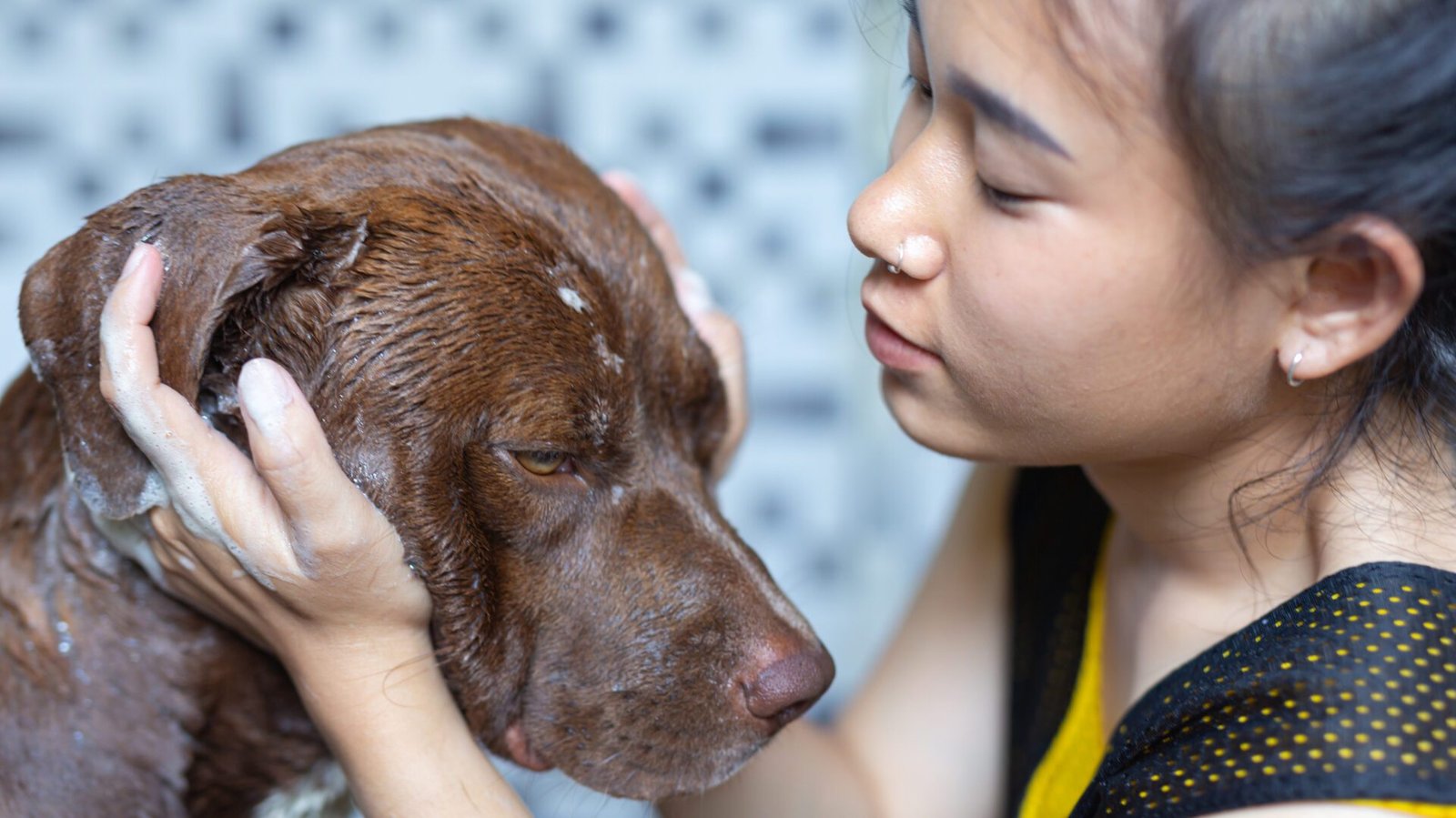
What “itchy skin” really means
Vets call itching pruritus. It’s a sign, not a diagnosis, which is why changing random products can feel like guessing. The most common causes are parasites, infections, and allergies (and sometimes more than one is happening at the same time).
The most common causes of itching in dogs & cats
1) Fleas (even when you can’t see them)
Fleas are one of the most common reasons pets itch, and a single flea bite can trigger days of itching in sensitive pets. If your pet suddenly becomes itchy (especially around the back, tail area, neck, or belly), treat fleas seriously even if you don’t spot them.
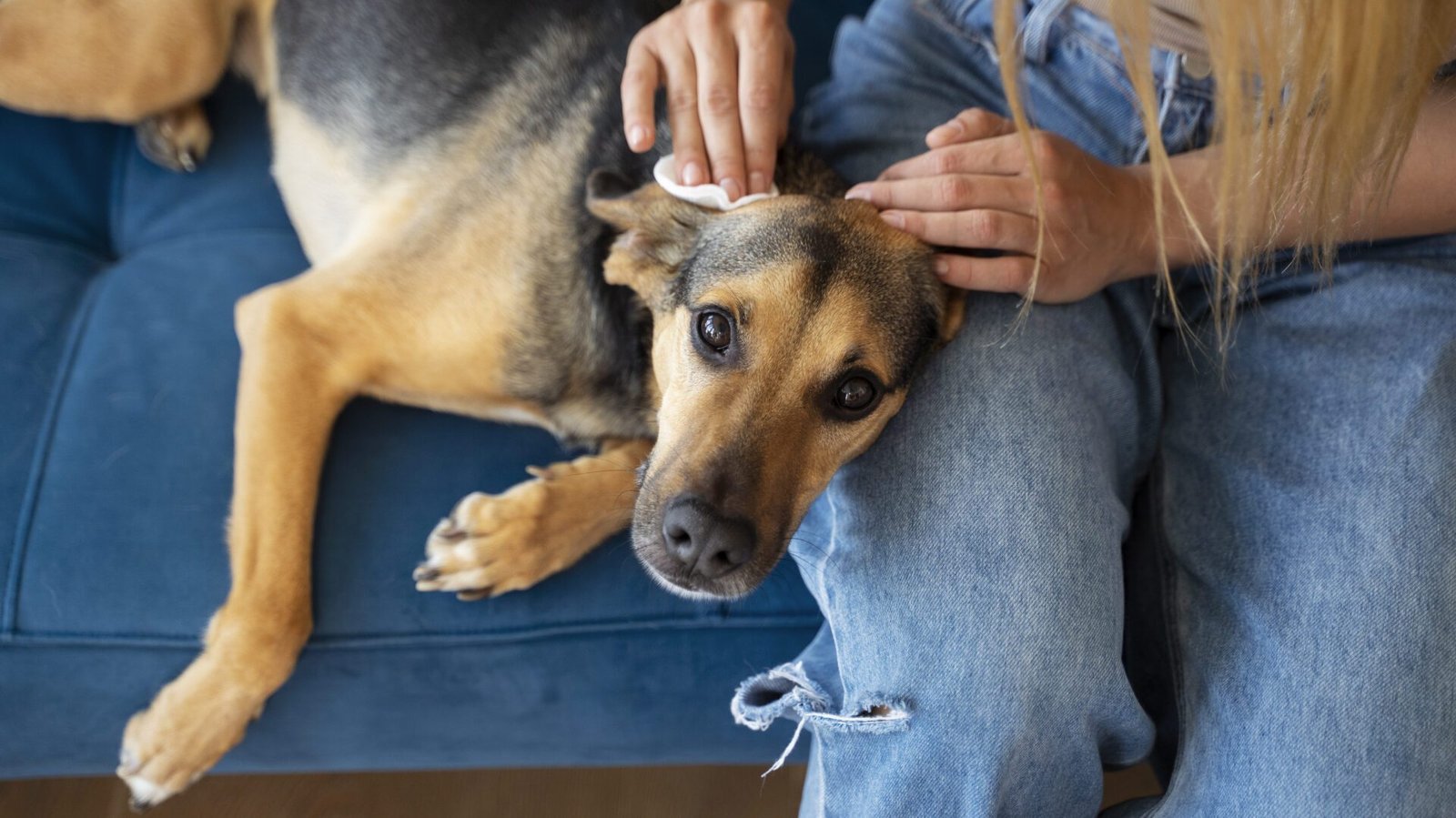
2) Allergies (environment or food)
Some pets react to pollen, dust, grass, cleaning products, or certain proteins in food. Allergy itch often looks like:
- paw licking
- belly/underarm redness
- recurring ear issues
- itch that comes and goes, then becomes “always there”
Flea control still matters here because fleas can “stack” on top of allergy itch and make everything worse.
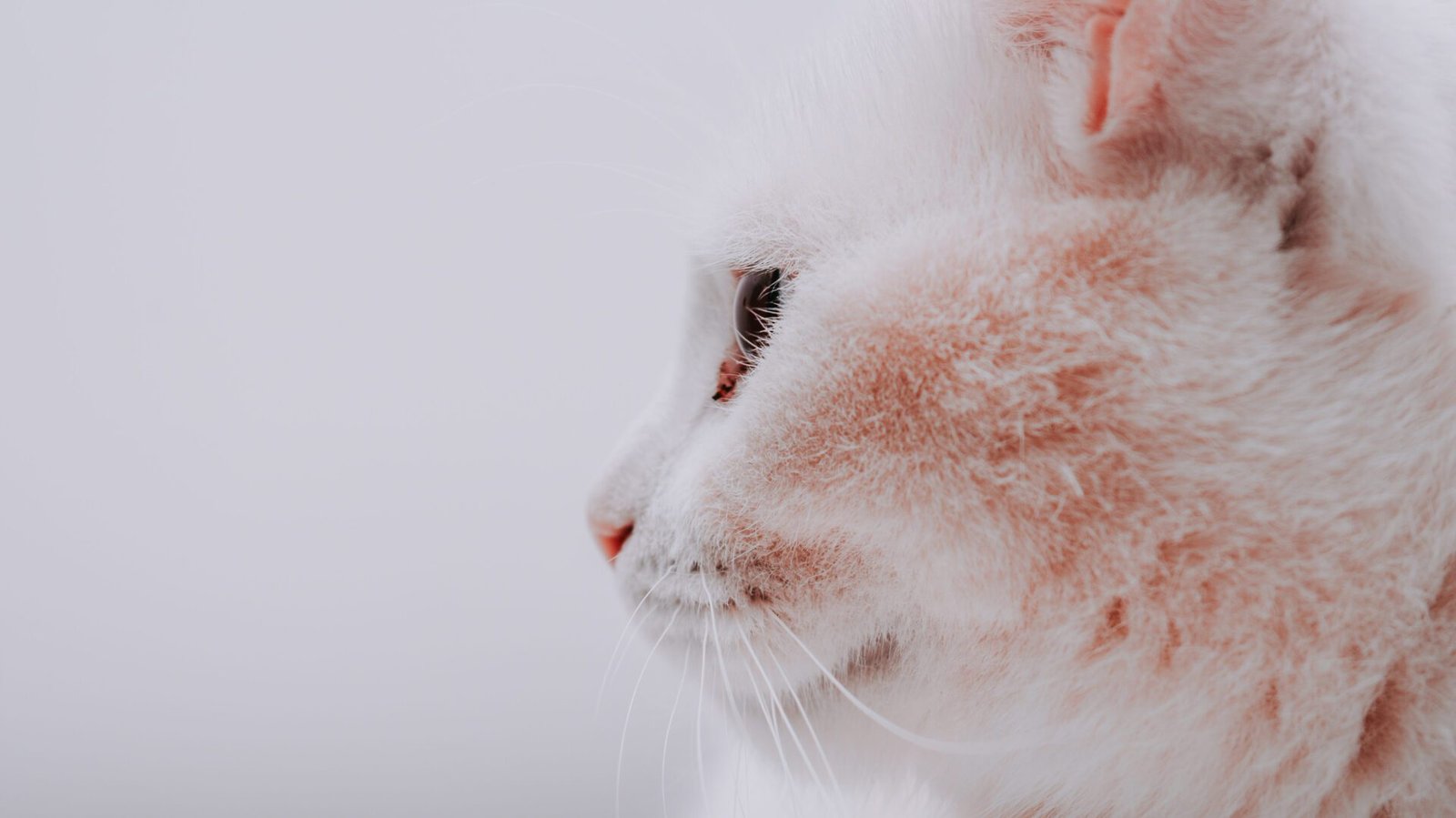
3) Skin infections (bacteria/yeast), often secondary
Sometimes the original trigger is fleas or allergies, but the constant scratching leads to secondary infections, which makes the itch escalate. If you notice a strong smell, greasy coat, scabs, or hot spots, don’t drag it out.
A simple home routine to calm the itch (without overdoing it)
Step 1: Start with flea control (don’t skip this)
If you only do one thing first, do flea prevention properly and consistently. It’s the most common “miss” when owners can’t figure out itching.
Step 2: Keep bathing gentle (too much bathing can backfire)
For sensitive skin, over bathing can strip oils and make dryness worse. A commonly recommended baseline is bathing about every 3–4 weeks with a gentle, vet appropriate shampoo, and rinsing thoroughly.
Use lukewarm water, rinse well, and avoid heavily perfumed products.
Step 3: Brush more, scrub less
Brushing helps remove loose fur, dander, and trapped irritants, without stressing the skin. If your pet mats easily, use the right brush and keep sessions short.
Step 4: Support the skin barrier (simple, consistent care)
For itch or dandruff, start with a gentle hypoallergenic/anti-itch approach. For coat shine and shedding support, owners often add omega-style coat support as part of a longer routine. If symptoms persist, get a vet check.

When you should stop DIY and see a vet
Go to a vet sooner if you see:
- open wounds, bleeding, or spreading hot spots
- pus, strong odor, or a greasy “yeasty” coat
- hair loss in patches
- your pet is uncomfortable at night and can’t rest
- itching continues after flea control + gentle routine
Recommended PetsCrazy pages to start with:
- Skin & Coat Care (anti-itch shampoos, balms, sprays, omega support)
- Tauro Pro Line Pure Nature Calming Elixir No.3 (calming-focused skin & coat support)
- Grooming (brushes and tools to reduce shedding + irritation from tangles)
If you’re shopping anyway, PetsCrazy lets you bundle essentials in one cart, and there’s free shipping start from RM65 on the site.
Key takeaway
Most itchy pets improve faster when you treat fleas seriously first, keep grooming gentle and consistent, and avoid random switching that irritates the skin barrier. If the itch persists or looks infected, involve a vet early, then use that advice to choose the right long-term routine.

FAQ about pets itchy skin
Q1: Can one flea bite really make my pet itch for days?
Yes. In flea-allergic pets, even a single bite can trigger intense itching for several days.
Q2: What are the most common causes of itching in dogs?
Parasites, infections, and allergies are among the most common causes.
Q3: What’s a safe bathing frequency for sensitive skin?
A common baseline is every 3–4 weeks with a gentle, vet-appropriate shampoo, rinsed thoroughly.
Q4: When should I stop home care and see a vet?
If there are wounds, infection signs (smell, pus), hair loss patches, or persistent itching despite flea control.
Q5: What PetsCrazy category should I start with for itch and dandruff?
Start with Skin & Coat Care for gentle shampoos, sprays/wipes, balms, and coat-support options.








LEAVE A COMMENT